It's Not Usually Your Back That's The Problem
Why helping the whole body work together can make a remarkable difference.
One of the most common reasons people come to Pilates is back pain.
Sometimes it’s a long-standing ache that’s been hanging around for years. Sometimes it’s stiffness when getting out of bed, pain after sitting for long periods, or discomfort when bending down to pick something up from the floor.
But what I often notice isn’t just the back pain itself.
It’s the worry that comes with it.
People start wondering if their back is weak, damaged or simply wearing out with age. They become more cautious, avoid certain movements and gradually lose confidence in what their body can do.
Whilst there are situations where back pain absolutely needs investigating, most of the people I work with don’t have a weak back.
More often, they have a back that’s been working far harder than it was ever designed to.
Think about how much time we spend sitting each day. Our legs don’t have to do very much in a chair. Our hips aren’t moving much. Our feet aren’t contributing much either. Yet the spine and surrounding muscles are constantly working to keep us upright.
The same thing can happen when we bend down. If the hips become stiff, the knees stop bending as easily or the legs become weaker, the back often takes on more of the workload than it should.
It’s not usually that the back is failing.
It’s often that it’s been covering for everyone else.
This is one of the reasons I don’t tend to look at back pain in isolation.
The spine is connected to everything around it. The way your feet connect to the floor, the strength in your legs, the mobility in your hips and even the way you breathe can all influence how your back feels.
Many people are surprised when I talk about breathing and back pain. Your ribs and spine are closely connected, and healthy spinal movement relies on the ribs moving well too. When breathing becomes shallow through stress, habit or long periods spent sitting, the back often ends up feeling the effects.
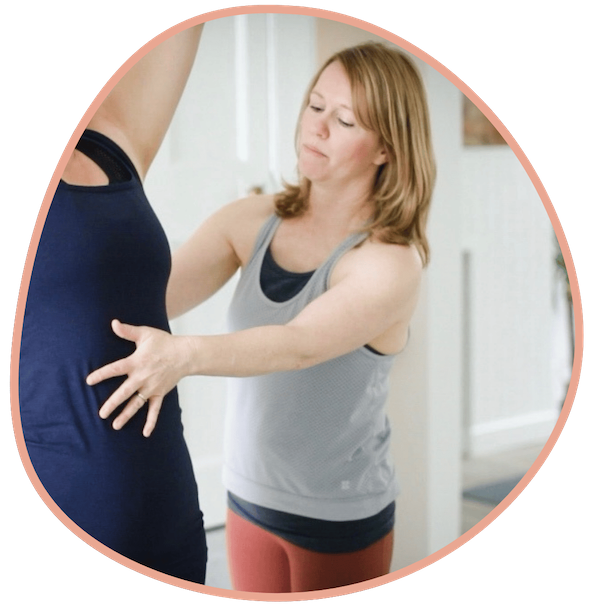
That’s why Pilates for back pain isn’t simply about stretching the back.
It’s about improving the way the whole body works together.
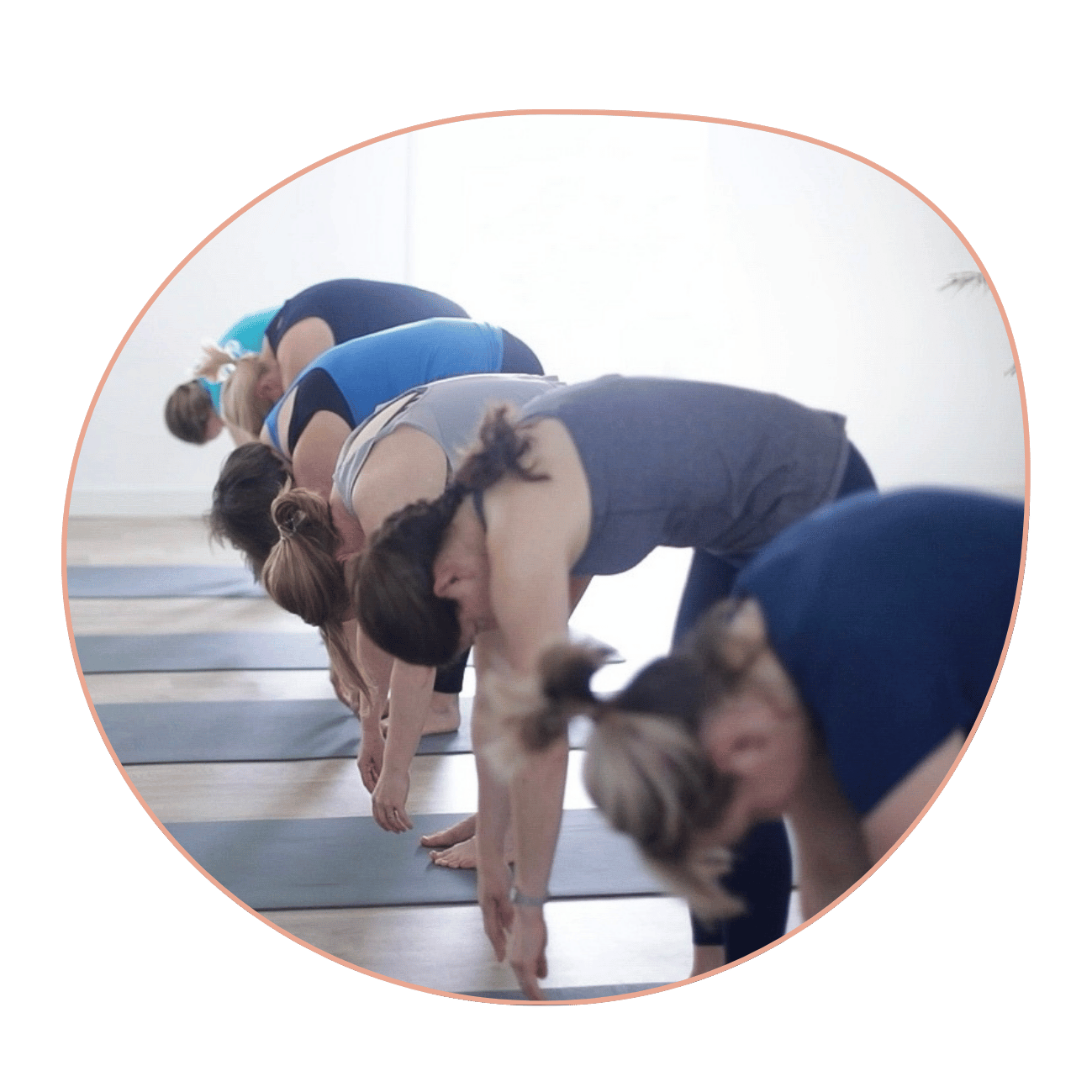
Inside our sessions we focus on spinal mobility, strength, balance, breathing and movement confidence. We explore different ways of moving so that the feet, legs, hips, ribs and spine all contribute their fair share.
When that starts happening, the back often stops feeling like it has to carry the entire load on its own.
One of my favourite things to witness is somebody arriving with a fear of movement and gradually beginning to trust their body again. They realise their spine is stronger and more adaptable than they thought, and that movement isn’t something to avoid.
In many cases, movement is exactly what’s been missing.
That’s really what we’re teaching inside the studio.
Not just exercises for back pain, but a better understanding of how the body works, improved mobility, greater confidence and the ability to keep doing the things that matter in everyday life.
Because healthy ageing isn’t simply about avoiding pain.
It’s about staying capable, active and connected to the life you want to live.
A quick note before I finish…
Both Caroline and I have completed additional specialist training through Body Control Pilates and are certified Back4Good® practitioners. The programme was developed to help instructors better understand common back pain presentations and how movement can be used safely and effectively to support recovery and confidence.
It’s one of the many reasons we take such an individual approach to helping people move well, rather than relying on a one-size-fits-all exercise programme.
Movement to support the spine using our Pilates Spine Corrector
Find the right starting point for you
Whether you’re looking for small-group movement sessions, more personalised support or simply somewhere to begin, there are different ways we can work together.
YOU'RE IN SAFE HANDS